AESTHETICS OF CIRCULAR ARCHITECTURE | Keilepand | June 15
Today, circular materials are increasingly being incorporated into design and construction practices. The aesthetics of circular architecture are characterized by an honest, often raw appearance in which reused materials and demountable structures remain visible. The aesthetic focus shifts away from perfection toward a design that “tells a story,” giving materials a second life and creating building structures that can adapt over time.
A key feature of circular aesthetics is the visible origin of materials. Materials with a history—such as reclaimed bricks, timber, or steel—give buildings a unique character. Another defining element is demountable detailing. Connections are often left visible (using bolts rather than glue, for example), resulting in a technical and robust aesthetic. The use of bio-based materials is also characteristic of circular architecture. Natural materials such as wood, hemp, or straw contribute to a warm and organic appearance.
Flexibility and modularity are equally important. Designs are created to evolve over time, leading to modular façades and open structural systems. Finally, circular architecture often embraces waste-based design: the use of waste streams as a primary aesthetic material, for example in interiors or façade cladding.
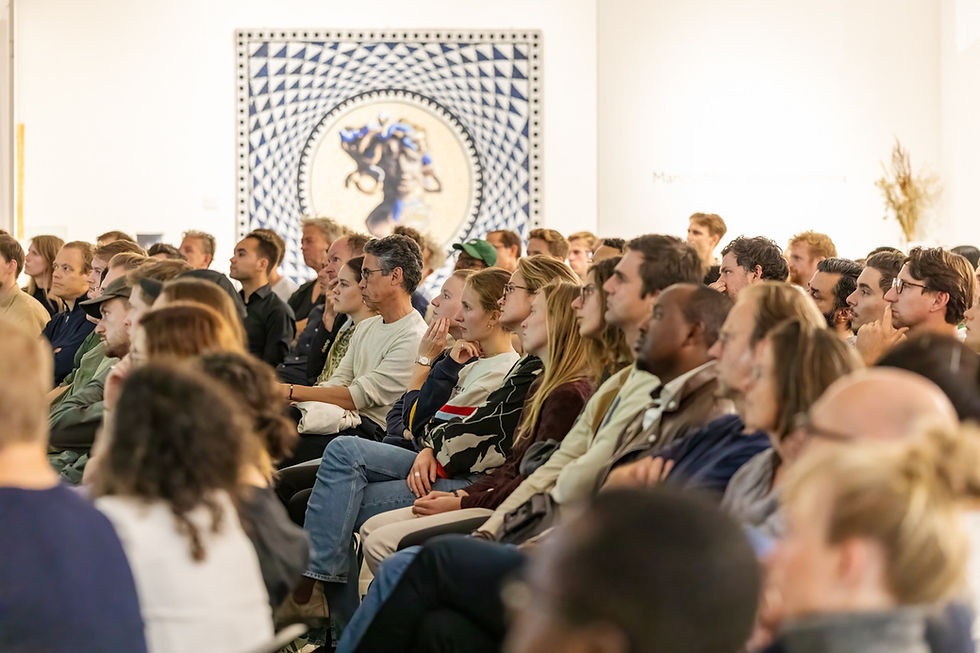
During this program, several professionals will share their experiences with circular design, material selection, and ideas about aesthetics, before engaging in a discussion with one another.
The following architects will present perspectives from their diverse practices, approaches, and areas of expertise:
Josse Popma (PTSA / Leiden)
Nina Aalbers (Architectuur MAKEN / Rotterdam)
Jan Jongert (Superuse Studios / Rotterdam)
Reinder Bakker (Overtreders W / Zaandam)
Picture: Jacqueline Fuijkschot